FAQs
IVF & Fertility Treatment FAQs
Find answers to common questions about infertility causes, IVF treatment, ICSI procedures, fertility costs, success rates, and treatment processes at GDIFR.
Blogs & Learnings
IVF Knowledge, Research & Fertility Insights
Explore expert-written blogs, fertility education articles, and research-based insights from the GDIFR team. Our content helps couples understand infertility causes, IVF treatments, success factors, and the latest advancements in reproductive medicine—supporting informed decisions through trusted medical knowledge.
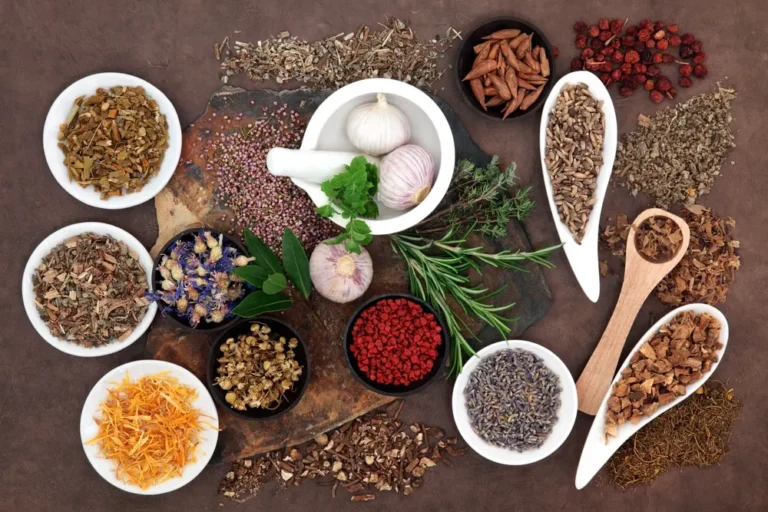
Treating Infertility With Herbal Medications – Explained by Best IVF Center in K…
Treating Infertility With Herbal Medications – Explained by Best IVF Center in Kolkata – GDIFR Treating Infertility With Herbal Medications Chinese herbs are used for about 2500 years to treat a good array of health problems. Herbal medicines may heighten fertility by supporting the natural functions of the ovulation and fertility process. Herbs aren’t regulated […]
Read More
Best Age for IVF Treatment: What GDIFR Fertility Experts Say
Understanding the Best Age for IVF Treatment The best age for IVF treatment is one of the biggest concerns for couples planning pregnancy. According to GDIFR specialists, age directly influences egg quality, ovarian reserve, and the IVF success rate. Knowing the right time to begin treatment helps avoid delays and increases the chances of becoming parents. This guide […]
Read More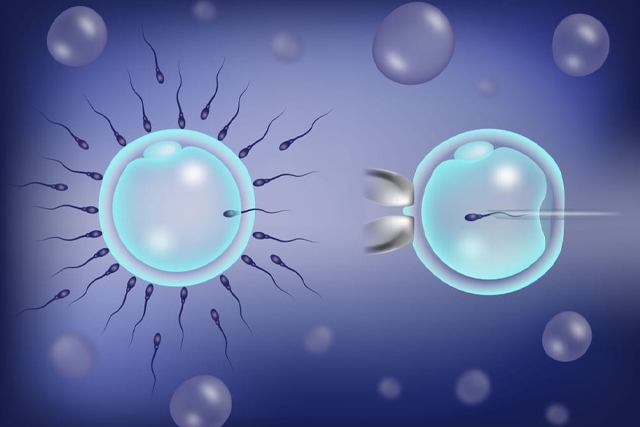
How Embryology Innovations Improve IVF Success – Research by Dr. Dastidar, GDIFR
Over the past four decades, Dr. Sudarshan Ghosh Dastidar, Founder of the Ghosh Dastidar Institute for Fertility Research (GDIFR), has been at the forefront of embryology and IVF innovation in India. His research-led approach has transformed fertility outcomes for thousands of couples, making GDIFR a reference center for evidence-based IVF. Ongoing studies by Dr. Dastidar […]
Read More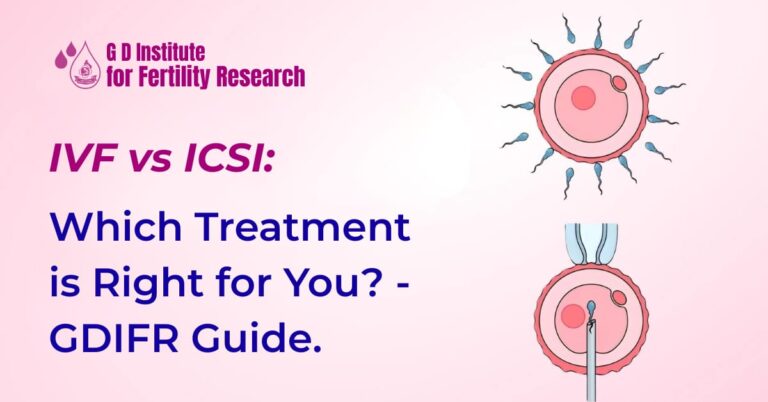
IVF vs ICSI: Which Treatment Is Right for You? – GDIFR Guide
Choosing between IVF and ICSI is one of the most important decisions for couples planning fertility treatment. Both treatments help achieve pregnancy, but they work differently and are recommended based on the cause of infertility. This GDIFR guide will help you understand the difference between IVF and ICSI, their success rates, costs, and which treatment […]
Read More
Common IVF Mistakes Couples Make & How to Avoid Them in 2026 (Fertility IVF…
Common IVF Mistakes Couples Make & How to Avoid Them in 2026 (Fertility IVF Experts by GDIFR) Millions of couples today consider IVF as a safe, reliable and scientifically advanced way to build a family. But even with the best technology, IVF outcomes depend on how well couples prepare, understand the process and avoid common […]
Read More
THE MAN BEHIND GDIFR SUCCESS
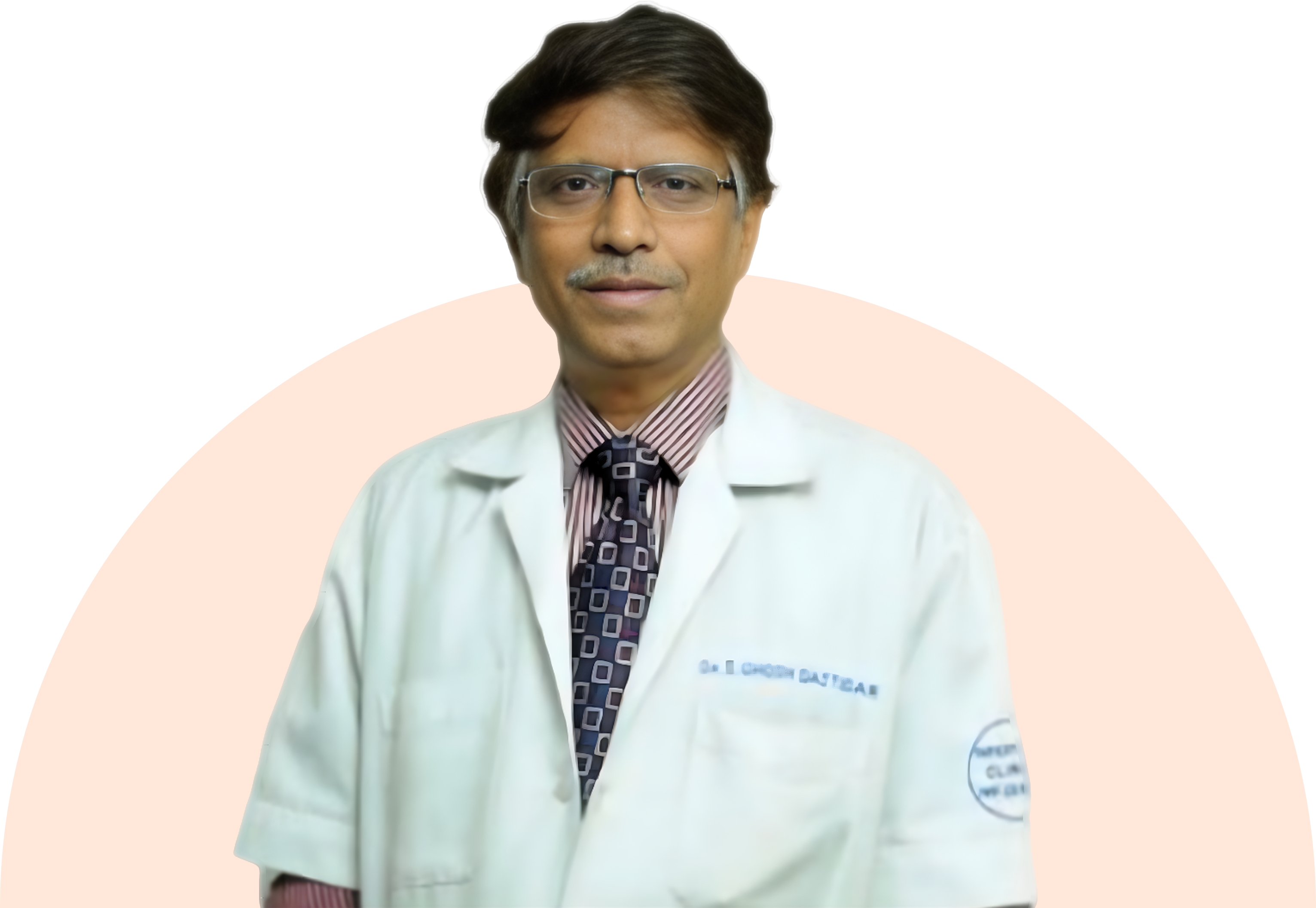
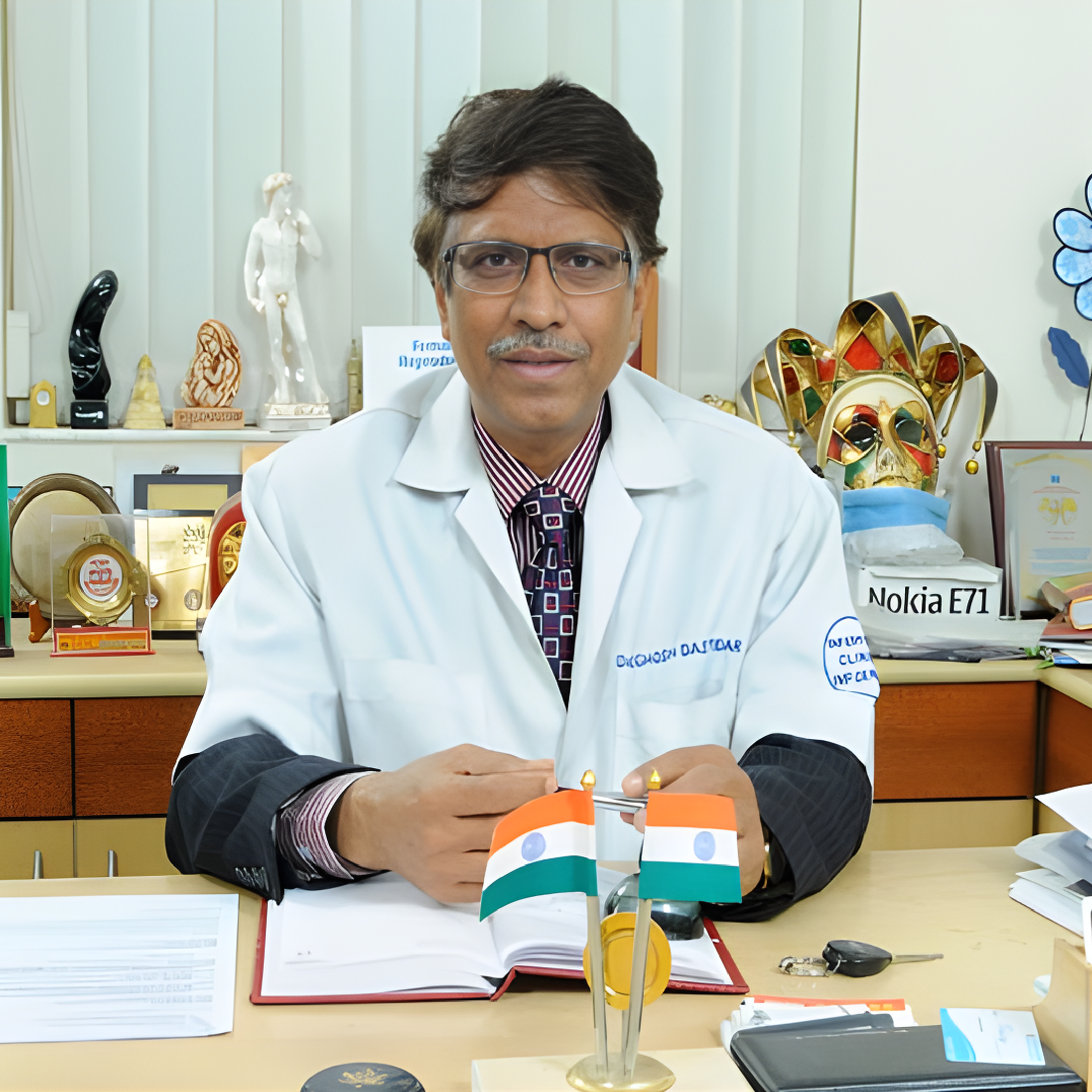
Dr. Sudarshan Ghosh
Dastidar –
Founder & IVF Pioneer In Kolkata
Parenthood is a dream. For over 40 years, my work has been devoted to helping couples realise that dream with dignity, hope, and trust. GDIFR is not just a clinic — it is a research-driven fertility institute where we explore every possibility to make parenthood achievable. After helping thousands become parents, my mission remains unchanged: no couple should ever face this journey alone.