Common IVF Mistakes Couples Make & How to Avoid Them in 2026 (Fertility IVF Experts by GDIFR)
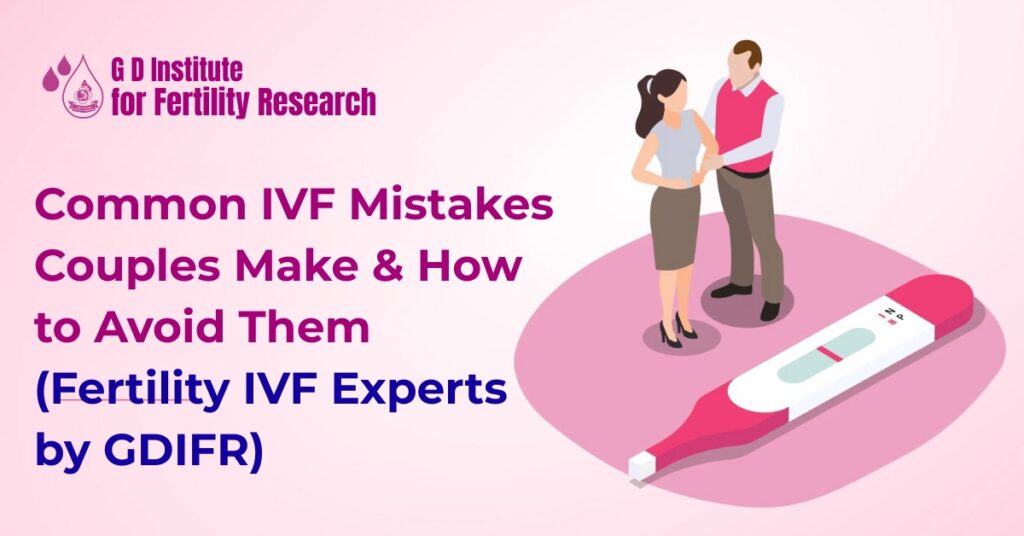
Common IVF Mistakes Couples Make & How to Avoid Them in 2026 (Fertility IVF Experts by GDIFR)
Millions of couples today consider IVF as a safe, reliable and scientifically advanced way to build a family. But even with the best technology, IVF outcomes depend on how well couples prepare, understand the process and avoid common mistakes.
In 2026, fertility treatment has become more personalised, precise and data-driven. Yet, the same avoidable errors continue to lower success potential.
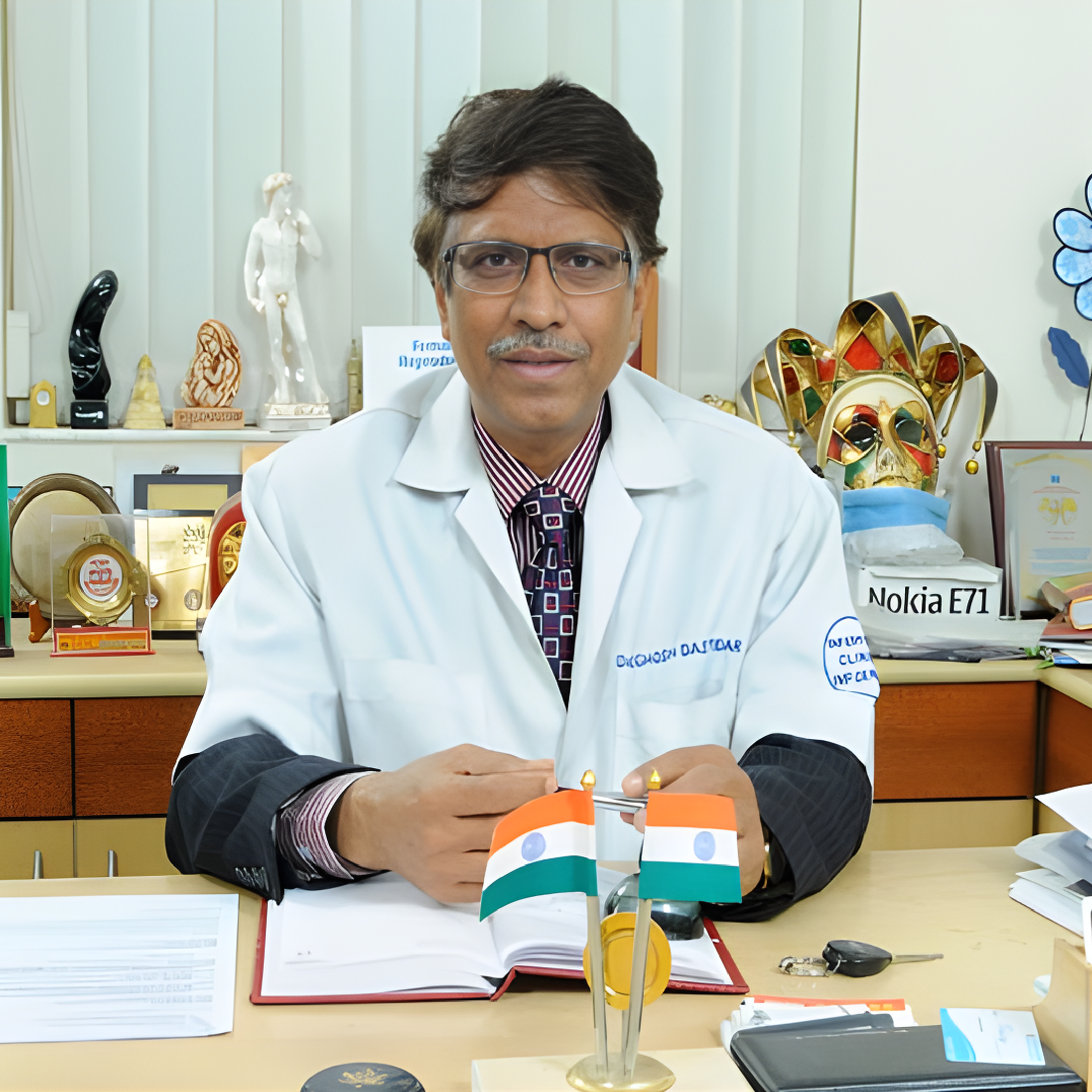
To help couples achieve the best possible result, the Fertility Experts at GDIFR led by Dr. Sudarshan Ghosh Dastidar share the most important IVF mistakes to avoid — and exactly what to do instead.
Throughout this article, you may use anchor words like best age for IVF, IVF success rates in 2026, preparing for IVF, and IVF vs ICSI to interlink your previously published blogs.
1. Delaying IVF Treatment for Too Long
Age is still the strongest factor affecting IVF success. As women age, egg count and egg quality decline naturally.
Why this is a Mistake:
Couples often wait for months or years hoping for natural conception, not realising that timely fertility evaluation increases chances significantly.
Expert Tip :
Schedule an AMH, AFC, semen analysis and fertility assessment early. Know the Best age for IVF treatment guided by GDIFR Experts.
2. Not Preparing Physically & Mentally Before Starting IVF
Lifestyle directly impacts both egg and sperm health. Couples often begin IVF without preparing their body, leading to weaker response to medications.
GDIFR Recommendation:
Start preparation at least 8–12 weeks before the cycle:
- Eat antioxidant-rich foods
- Reduce stress
- Sleep 7–8 hours
- Avoid smoking/alcohol
- Keep BMI in a healthy range
How to prepare your self for IVF treatment – diet & lifestyle tips.
3. Choosing the Wrong IVF Protocol or Clinician Without Research
Every woman requires a personalised approach — not a standard protocol. Choosing a clinic without evaluating expertise or lab facilities is a common mistake.
How to avoid it:
✔ Select a centre with 30+ years of experience
✔ Ensure a modern embryology lab
✔ Check transparency in treatment plans
✔ Follow recommendations by certified fertility specialists
GDIFR’s expertise in advanced stimulation protocols and personalised care improves outcomes significantly.
4. Not Understanding IVF vs ICSI – Choosing the Wrong Technique
Many couples assume IVF and ICSI are the same, but they are very different treatments meant for different conditions.
Avoid this mistake by:
Learning which method suits your diagnosis:
-
Low sperm count → ICSI recommended
-
Poor fertilisation history → ICSI
-
Normal sperm reports → IVF may be enough
IVF vs ICSI – which treatment is right for you ?
5. Ignoring Male-Factor Health
Male infertility contributes to nearly 40% of IVF failures, yet many couples focus only on female testing.
Expert Tip:
A complete semen evaluation, DFI test, lifestyle correction and supplements for 2–3 months improve embryo quality and pregnancy rates.
6. Starting IVF Without Proper Emotional Readiness
IVF can be emotionally overwhelming. Stress, anxiety and unrealistic expectations are common reasons for mental fatigue during the process.
What GDIFR Experts Suggest:
✔ Open communication between partners
✔ Realistic expectations about chances
✔ Counselling support when needed
✔ Building a positive mindset
Skipping Essential Tests Like PGT, Mock Transfer or Hormonal Mapping
Some couples avoid recommended tests to reduce cost, which may influence success.
Why these tests matter:
-
PGT-A identifies genetically healthy embryos
-
Endometrial receptivity testing optimises transfer timing
-
Mock transfer helps avoid unexpected complications
Know about the IVF success rates in 2026 ?
Not Following Medication Schedules Strictly
Missing injections or taking medicines at the wrong time can affect egg development or implantation.
Expert Tip: Use alarms, reminders and written schedules. GDIFR nursing teams guide patients step-by-step to avoid errors.
9. Expecting Immediate Pregnancy After First IVF Cycle
IVF success is influenced by age, diagnosis and embryo factors. Many couples expect a guaranteed pregnancy in the first attempt.
The reality:
On average, it may take 1–3 cycles depending on age and fertility profile.
Avoid disappointment by maintaining realistic expectations.
10. Not Discussing Frozen Embryo Transfer (FET)
In 2026, FET cycles have shown equal or even better success in many cases — yet couples hesitate to consider it.
Why you should consider FET:
✔ More controlled hormonal environment
✔ Lower stress on the body
✔ Higher implantation consistency
Conclusion: The Right Guidance Makes All the Difference
Avoiding common IVF mistakes can significantly improve the chances of a healthy pregnancy.
At GDIFR – Ghosh Dastidar Institute for Fertility Research, led by Dr. Sudarshan Ghosh Dastidar, couples receive personalised protocols, world-class embryology support and expert care designed to achieve the highest success outcomes in 2026.
Use internal anchor text like best age for IVF, preparing for IVF, IVF success rates, and IVF vs ICSI to link this blog with your existing cluster for stronger SEO and ranking.
Blogs & Learnings
IVF Knowledge, Research & Fertility Insights
Explore expert-written blogs, fertility education articles, and research-based insights from the GDIFR team. Our content helps couples understand infertility causes, IVF treatments, success factors, and the latest advancements in reproductive medicine—supporting informed decisions through trusted medical knowledge.

Treating Infertility With Herbal Medications – Explained by Best IVF Center in K…
Treating Infertility With Herbal Medications – Explained by Best IVF Center in Kolkata – GDIFR Treating Infertility With Herbal Medications Chinese herbs are used for about 2500 years to treat a good array of health problems. Herbal medicines may heighten fertility by supporting the natural functions of the ovulation and fertility process. Herbs aren’t regulated […]
Read More
Best Age for IVF Treatment: What GDIFR Fertility Experts Say
Understanding the Best Age for IVF Treatment The best age for IVF treatment is one of the biggest concerns for couples planning pregnancy. According to GDIFR specialists, age directly influences egg quality, ovarian reserve, and the IVF success rate. Knowing the right time to begin treatment helps avoid delays and increases the chances of becoming parents. This guide […]
Read More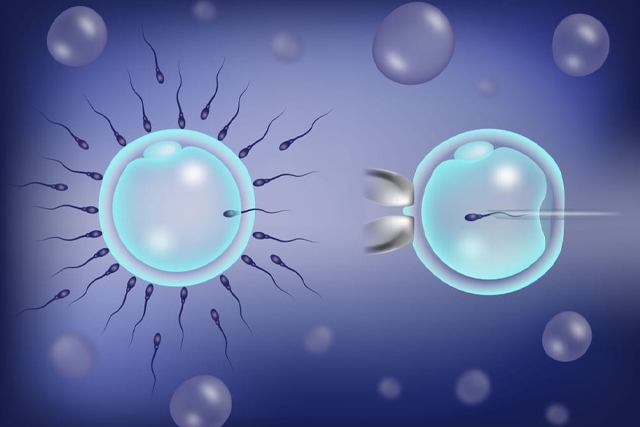
How Embryology Innovations Improve IVF Success – Research by Dr. Dastidar, GDIFR
Over the past four decades, Dr. Sudarshan Ghosh Dastidar, Founder of the Ghosh Dastidar Institute for Fertility Research (GDIFR), has been at the forefront of embryology and IVF innovation in India. His research-led approach has transformed fertility outcomes for thousands of couples, making GDIFR a reference center for evidence-based IVF. Ongoing studies by Dr. Dastidar […]
Read More
IVF vs ICSI: Which Treatment Is Right for You? – GDIFR Guide
Choosing between IVF and ICSI is one of the most important decisions for couples planning fertility treatment. Both treatments help achieve pregnancy, but they work differently and are recommended based on the cause of infertility. This GDIFR guide will help you understand the difference between IVF and ICSI, their success rates, costs, and which treatment […]
Read More
Common IVF Mistakes Couples Make & How to Avoid Them in 2026 (Fertility IVF…
Common IVF Mistakes Couples Make & How to Avoid Them in 2026 (Fertility IVF Experts by GDIFR) Millions of couples today consider IVF as a safe, reliable and scientifically advanced way to build a family. But even with the best technology, IVF outcomes depend on how well couples prepare, understand the process and avoid common […]
Read More
THE MAN BEHIND GDIFR SUCCESS
Dr. Sudarshan Ghosh
Dastidar –
Founder & IVF Pioneer In Kolkata
Parenthood is a dream. For over 40 years, my work has been devoted to helping couples realise that dream with dignity, hope, and trust. GDIFR is not just a clinic — it is a research-driven fertility institute where we explore every possibility to make parenthood achievable. After helping thousands become parents, my mission remains unchanged: no couple should ever face this journey alone.