
Welcome to GDIFR – A Fertility Research Center Led by Dr. Sudarshan Ghosh Dastidar

Treating Infertility With Herbal Medications – Explained by Best IVF Center in Kolkata – GDIFR

Treating Infertility With Herbal Medications – Explained by Best IVF Center in Kolkata – GDIFR

Treating Infertility With Herbal Medications

Chinese herbs are used for about 2500 years to treat a good array of health problems. Herbal medicines may heighten fertility by supporting the natural functions of the ovulation and fertility process.

Herbs aren’t regulated by the FDA, but are they safe?

Herbs are generally safe to use. However, because some herbs shouldn’t be taken during pregnancy, it’s always important to ask your healthcare provider which herbs are safe to require .

For those choosing to use herbs to reinforce fertility, it’s preferable to consult a healthcare provider who is conversant in herbs and the way they affect different aspects of your fertility.

When should herbs not be taken?

One of the needs of prescribing herbal medicines is to extend ovarian function. Therefore, individuals who are taking contraception pills, Antigon/Cetrotide or Lupron shouldn’t take herbs. Because these medications are wont to impede or lessen ovarian function they need the other desired effect of herbs.

How long should I take herbs?

The effects of herbal medicines are generally cumulative, and therefore the clinical effects of treating the infertile couple are usually seen after 60-120 days. Herbs also are cycle-dependent.

They require the whole cycle to be effective and work best with multiple cycles. this suggests that if, as an example , a lady decides to possess an in vitro Fertilization: IVF transfer within every week , she should avoid herbal treatment.

What sorts of infertility can herbal medicines treat?

In general, it’s appropriate to treat any sort of infertility condition with herbal medicines. This includes progressive maternal age, luteal-phase-defect, premature ovarian failure, male factor, or unexplained symptoms.

Clinical observers have reported impressive results when mixing herbs with gonadotropins during intrauterine insemination (IUI) and in vitro fertilization (IVF) cycles.

The herbs seem to reinforce the consequences of the gonadotropins, and that they don’t pose the danger of OHSS (ovarian hyperstimulation syndrome).

Is herbal medicine a licensed profession?

Herbal medicine isn’t a licensed profession. However, some practitioners acquire available Board certification. it’s preferable to consult healthcare providers who are Board certified to prescribe herbal medicines.

Where am i able to purchase herbal supplements?

A number of herbal supplements are convenient that are helpful in supporting fertility for both women and men. For women, vitex (chasteberry), purple clover and other herbs traditionally wont to help restore hormonal equity are combined with an equivalent vitamins and minerals found during a prenatal vitamin.

The combination offers a comprehensive fertility supplement for ladies . For men, clinically proven supplements are available to assist improve sperm parameters like count, motility, and morphology
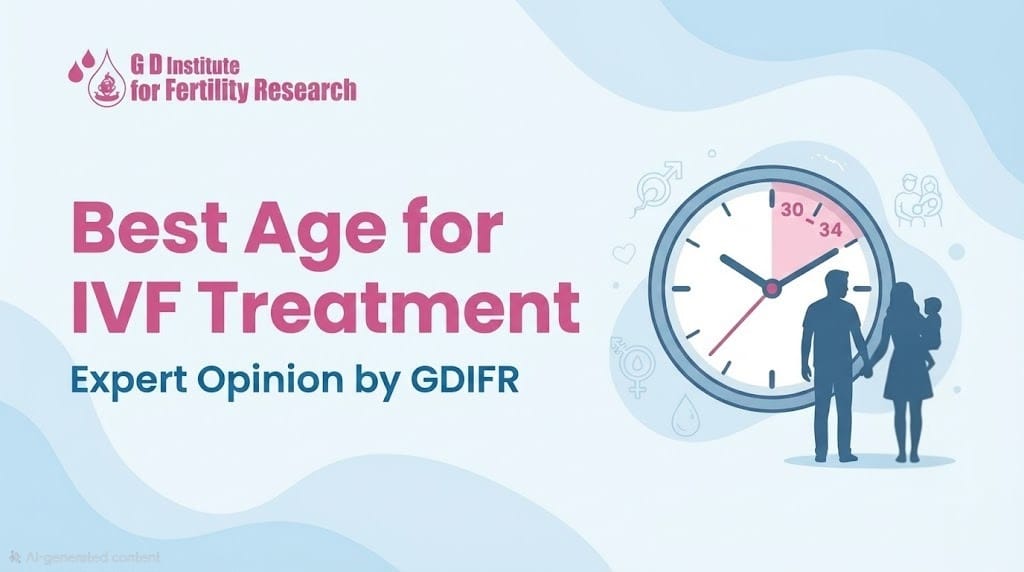
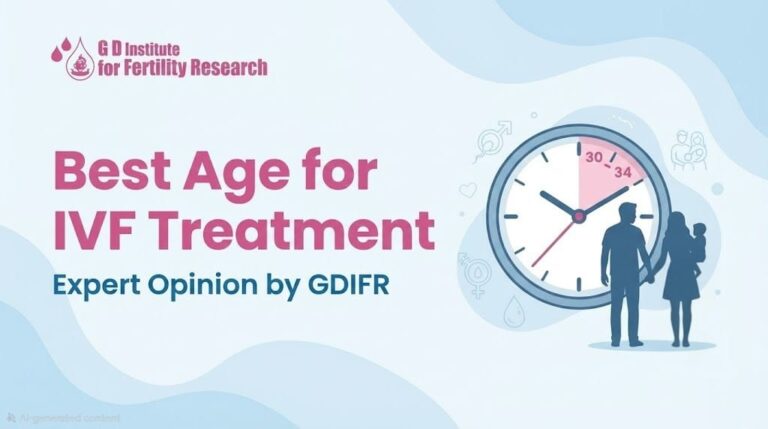
Best Age for IVF Treatment: What GDIFR Fertility Experts Say

Understanding the Best Age for IVF Treatment

The best age for IVF treatment is one of the biggest concerns for couples planning pregnancy. According to GDIFR specialists, age directly influences egg quality, ovarian reserve, and the IVF success rate. Knowing the right time to begin treatment helps avoid delays and increases the chances of becoming parents.

This guide explains the age limit for IVF treatment, the ideal time to start IVF, and how age affects IVF success rates.

IVF Age Limit Explained

Women are born with all the eggs they will ever have. As age increases:

  • Egg quantity decreases

  • Egg quality declines

  • Chromosomal abnormalities become more common

  • Ovarian reserve reduces

Because of these natural changes, the IVF age limit is an important factor when planning a family.

Which Age Is Best for IVF?

GDIVF fertility experts recommend the following:

Age 25 to 35: Best Age for IVF Treatment

This is considered the ideal age range for IVF. Reasons include:

  • Healthiest egg quality

  • Strong hormonal balance

  • Higher implantation chances

  • Lower risk of miscarriage

Age 35 to 38: Good Success but Gradual Decline

Fertility is still good, but IVF may require additional medical support. Egg quality and ovarian reserve begin to drop during this time.

Age 38 to 42: IVF Possible but More Complex

In this age range:

  • Egg quality is lower

  • Ovarian reserve may be limited

  • IVF may require advanced techniques such as ICSI or blastocyst transfer

Above 42: Best Results with Donor Eggs

Success rates with own eggs are extremely low after 42. Donor eggs significantly improve chances of pregnancy.

How Age Affects IVF Success Rates

Below is the general trend of IVF success rate by age:

  • Under 35: 45%–60%

  • 35 to 37: 35%–45%

  • 38 to 40: 20%–30%

  • 41 to 42: 10%–15%

  • Above 43: Less than 5% with own eggs

This clearly shows how age affects IVF success rates, making early evaluation important.

What Is the Right Age for an IVF Procedure?

  • If You Are Under 35

Try naturally for 12 months. If pregnancy does not happen, consult a fertility specialist.

  • If You Are Between 35–40

Try naturally for 6 months. After that, get a fertility assessment.

  • If You Are Above 40
  • Immediate evaluation is recommended. Quick action helps improve outcomes.

Other Factors Beyond Age That Influence IVF Success

Age is important, but IVF success also depends on:

  • AMH and FSH levels (hormone health)

  • Sperm quality

  • Uterine health

  • Lifestyle, stress, and weight

  • Conditions like PCOS, endometriosis, thyroid issues

GDIVF offers a full fertility evaluation to create the best treatment plan.

Expert Recommendations from GDIFR

GDIVF experts suggest:

  • 25–35 years

Best age for IVF treatment with the highest success.

  • 35–38 years

Good chances with proper medical support.

  • 38–42 years

Advanced IVF techniques may be required.

  • Above 42 years

Donor eggs are recommended for higher success.

Every couple’s fertility journey is different. Personalised treatment is the key.

FAQs on IVF Age & Success

1. What is the best age for IVF treatment?

The best age for IVF is between 25 and 35 years.

2. Can IVF work after age 40?

Yes, but the success rate is lower. Advanced technologies like ICSI may help.

3. Is IVF possible after age 42?

Yes, but with low success using own eggs. Donor eggs work better.

4. What tests determine IVF readiness?

AMH, FSH, AFC scan, and complete hormone profile.

5. Can lifestyle improve IVF results?

Yes—healthy weight, proper sleep, and reduced stress improve IVF outcomes.

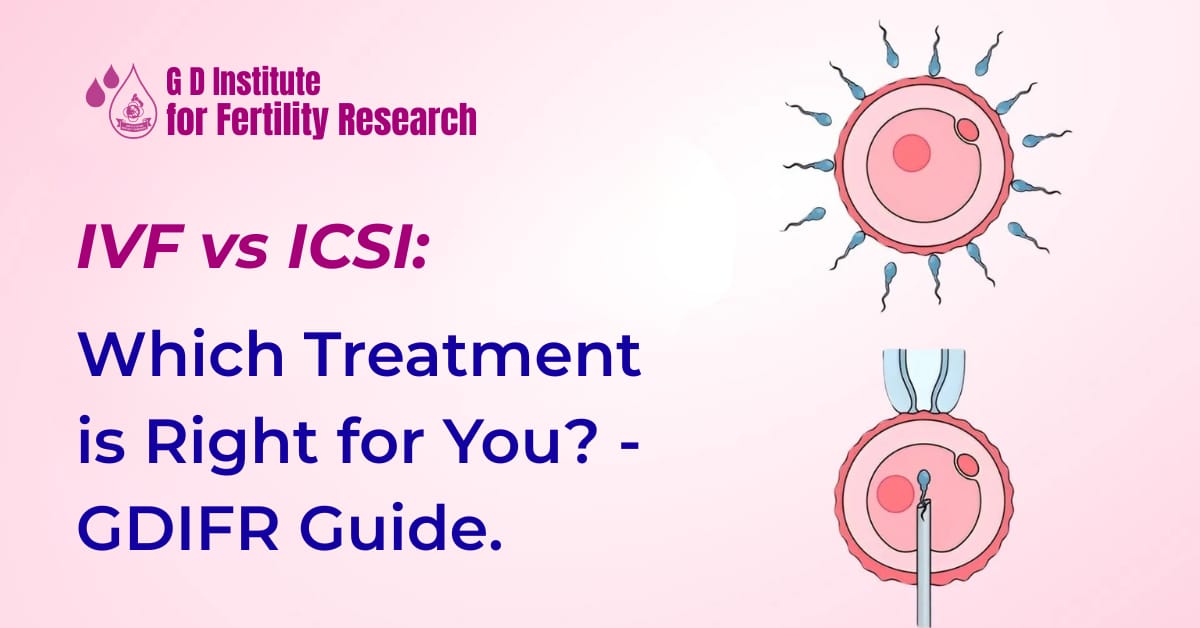
IVF vs ICSI: Which Treatment Is Right for You? – GDIFR Guide

Choosing between IVF and ICSI is one of the most important decisions for couples planning fertility treatment. Both treatments help achieve pregnancy, but they work differently and are recommended based on the cause of infertility.

This GDIFR guide will help you understand the difference between IVF and ICSI, their success rates, costs, and which treatment is right for your fertility needs.

What Is IVF? (In Vitro Fertilization)

IVF (In Vitro Fertilization) is a common fertility treatment where a woman’s eggs and sperm are combined in a lab to allow natural fertilization.

IVF is recommended when:

  • Fallopian tubes are blocked
  • Ovulation issues exist
  • Unexplained infertility
  • Mild male infertility
  • Couples trying naturally for 1+ years

What Is ICSI? (Intracytoplasmic Sperm Injection)

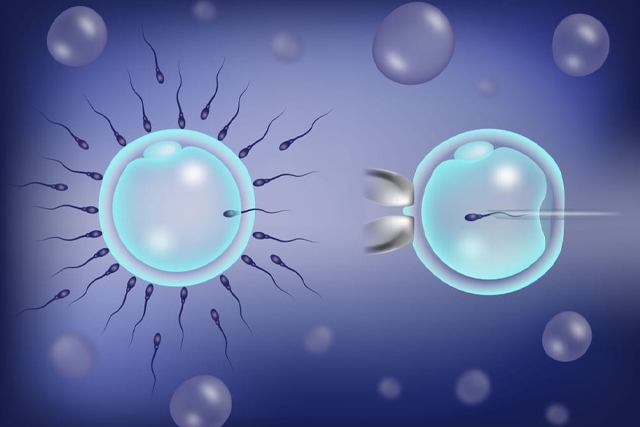
ICSI (Intracytoplasmic Sperm Injection) is an advanced technique where a single healthy sperm is selected and directly injected into the egg to increase the chances of fertilization.

ICSI is recommended when:

  • Very low sperm count
  • Poor sperm motility
  • Abnormal sperm shape
  • Failed IVF cycles
  • Fertilization failure in previous attempts
  • Sperm retrieval from TESA / PESA

IVF vs ICSI: What’s the Difference?

IVF: Sperm fertilizes egg naturally in a lab
ICSI: Embryologist injects one sperm directly into the egg

IVF is ideal for:

  • Female-related infertility
  • Mild sperm issues
  • Unexplained infertility

ICSI is ideal for:

  • Male infertility
  • Low sperm quality
  • Previous IVF failure

Success Rates: IVF vs ICSI (GDIFR 2026)

IVF Success Rates

  • Under 35: 45%–60%
  • Age 35–37: 35%–45%
  • Age 38–40: 20%–35%
  • Age 40+: 10%–15%

ICSI Success Rates (Male Factor Cases)

  • Under 35: 55%–70%
  • Age 35–37: 45%–55%
  • Age 38–40: 30%–45%
  • Age 40+: 15%–20%

Which Treatment Should You Choose?

Choose IVF when:

  • Eggs are healthy
  • No major sperm issues
  • You prefer natural fertilization
  • It’s your first fertility treatment

Choose ICSI when:

  • Male infertility is present
  • Sperm count is very low
  • Poor sperm motility
  • Previous IVF cycles failed
  • You want maximum fertilization chances

Cost Comparison: IVF vs ICSI (GDIFR 2026)

  • IVF Cost: ₹90,000 – ₹1.5 Lakhs
  • ICSI Cost: ₹1.5 – ₹2 Lakhs

GDIFR Expert Recommendation

GDIFR experts decide between IVF and ICSI based on:

  • AMH level
  • Egg quality
  • Sperm quality
  • Hormone levels
  • Age group
  • Fertility history
  • Previous treatment outcomes

When ICSI is preferred:

  • Severe male infertility
  • Low sperm count
  • Failed IVF cycles

When IVF is preferred:

  • Good sperm count
  • Unexplained infertility
  • Healthy ovarian reserve

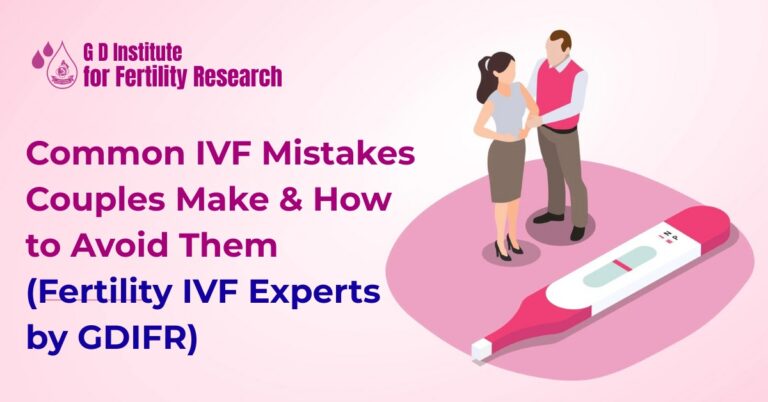
Common IVF Mistakes Couples Make & How to Avoid Them in 2026 (Fertility IVF Experts by GDIFR)

Common IVF Mistakes Couples Make & How to Avoid Them in 2026 (Fertility IVF Experts by GDIFR)

Millions of couples today consider IVF as a safe, reliable and scientifically advanced way to build a family. But even with the best technology, IVF outcomes depend on how well couples prepare, understand the process and avoid common mistakes.

In 2026, fertility treatment has become more personalised, precise and data-driven. Yet, the same avoidable errors continue to lower success potential.
To help couples achieve the best possible result, the Fertility Experts at GDIFR led by Dr. Sudarshan Ghosh Dastidar share the most important IVF mistakes to avoid — and exactly what to do instead.

Throughout this article, you may use anchor words like best age for IVFIVF success rates in 2026preparing for IVF, and IVF vs ICSI to interlink your previously published blogs.

1. Delaying IVF Treatment for Too Long

Age is still the strongest factor affecting IVF success. As women age, egg count and egg quality decline naturally.

Why this is a Mistake:
Couples often wait for months or years hoping for natural conception, not realising that timely fertility evaluation increases chances significantly.

Expert Tip :
Schedule an AMH, AFC, semen analysis and fertility assessment early. Know the Best age for IVF treatment guided by GDIFR Experts.

2. Not Preparing Physically & Mentally Before Starting IVF

Lifestyle directly impacts both egg and sperm health. Couples often begin IVF without preparing their body, leading to weaker response to medications.

GDIFR Recommendation:
Start preparation at least 8–12 weeks before the cycle:

  • Eat antioxidant-rich foods
  • Reduce stress
  • Sleep 7–8 hours
  • Avoid smoking/alcohol
  • Keep BMI in a healthy range

How to prepare your self for IVF treatment – diet & lifestyle tips.

3. Choosing the Wrong IVF Protocol or Clinician Without Research

Every woman requires a personalised approach — not a standard protocol. Choosing a clinic without evaluating expertise or lab facilities is a common mistake.

How to avoid it:
✔ Select a centre with 30+ years of experience
✔ Ensure a modern embryology lab
✔ Check transparency in treatment plans
✔ Follow recommendations by certified fertility specialists

GDIFR’s expertise in advanced stimulation protocols and personalised care improves outcomes significantly.

4. Not Understanding IVF vs ICSI – Choosing the Wrong Technique

Many couples assume IVF and ICSI are the same, but they are very different treatments meant for different conditions.

Avoid this mistake by:
Learning which method suits your diagnosis:

  • Low sperm count → ICSI recommended

  • Poor fertilisation history → ICSI

  • Normal sperm reports → IVF may be enough

IVF vs ICSI – which treatment is right for you ?

5. Ignoring Male-Factor Health

Male infertility contributes to nearly 40% of IVF failures, yet many couples focus only on female testing.

Expert Tip:
A complete semen evaluation, DFI test, lifestyle correction and supplements for 2–3 months improve embryo quality and pregnancy rates.

6. Starting IVF Without Proper Emotional Readiness

IVF can be emotionally overwhelming. Stress, anxiety and unrealistic expectations are common reasons for mental fatigue during the process.

What GDIFR Experts Suggest:
✔ Open communication between partners
✔ Realistic expectations about chances
✔ Counselling support when needed
✔ Building a positive mindset

Skipping Essential Tests Like PGT, Mock Transfer or Hormonal Mapping

Some couples avoid recommended tests to reduce cost, which may influence success.

Why these tests matter:

  • PGT-A identifies genetically healthy embryos

  • Endometrial receptivity testing optimises transfer timing

  • Mock transfer helps avoid unexpected complications

Know about the IVF success rates in 2026 ?

Not Following Medication Schedules Strictly

Missing injections or taking medicines at the wrong time can affect egg development or implantation.

Expert Tip: Use alarms, reminders and written schedules. GDIFR nursing teams guide patients step-by-step to avoid errors.

9. Expecting Immediate Pregnancy After First IVF Cycle

IVF success is influenced by age, diagnosis and embryo factors. Many couples expect a guaranteed pregnancy in the first attempt.

The reality:
On average, it may take 1–3 cycles depending on age and fertility profile.
Avoid disappointment by maintaining realistic expectations.

10. Not Discussing Frozen Embryo Transfer (FET)

In 2026, FET cycles have shown equal or even better success in many cases — yet couples hesitate to consider it.

Why you should consider FET:
✔ More controlled hormonal environment
✔ Lower stress on the body
✔ Higher implantation consistency

Conclusion: The Right Guidance Makes All the Difference

Avoiding common IVF mistakes can significantly improve the chances of a healthy pregnancy.
At GDIFR – Ghosh Dastidar Institute for Fertility Research, led by Dr. Sudarshan Ghosh Dastidar, couples receive personalised protocols, world-class embryology support and expert care designed to achieve the highest success outcomes in 2026.

Use internal anchor text like best age for IVFpreparing for IVFIVF success rates, and IVF vs ICSI to link this blog with your existing cluster for stronger SEO and ranking.

Blogs & Learnings

IVF Knowledge, Research & Fertility Insights

Explore expert-written blogs, fertility education articles, and research-based insights from the GDIFR team. Our content helps couples understand infertility causes, IVF treatments, success factors, and the latest advancements in reproductive medicine—supporting informed decisions through trusted medical knowledge.

Treating Infertility With Herbal Medications – Explained by Best IVF Center in Kolkata – GDIFR
Uncategorized
Treating Infertility With Herbal Medications – Explained by Best IVF Center in K…

Treating Infertility With Herbal Medications – Explained by Best IVF Center in Kolkata – GDIFR Treating Infertility With Herbal Medications Chinese herbs are used for about 2500 years to treat a good array of health problems. Herbal medicines may heighten fertility by supporting the natural functions of the ovulation and fertility process. Herbs aren’t regulated […]

Read More
Best Age for IVF Treatment: What GDIFR Fertility Experts Say
Uncategorized
Best Age for IVF Treatment: What GDIFR Fertility Experts Say

Understanding the Best Age for IVF Treatment The best age for IVF treatment is one of the biggest concerns for couples planning pregnancy. According to GDIFR specialists, age directly influences egg quality, ovarian reserve, and the IVF success rate. Knowing the right time to begin treatment helps avoid delays and increases the chances of becoming parents. This guide […]

Read More
How Embryology Innovations Improve IVF Success – Research by Dr. Dastidar, GDIFR
Research
How Embryology Innovations Improve IVF Success – Research by Dr. Dastidar, GDIFR

Over the past four decades, Dr. Sudarshan Ghosh Dastidar, Founder of the Ghosh Dastidar Institute for Fertility Research (GDIFR), has been at the forefront of embryology and IVF innovation in India. His research-led approach has transformed fertility outcomes for thousands of couples, making GDIFR a reference center for evidence-based IVF. Ongoing studies by Dr. Dastidar […]

Read More
IVF vs ICSI: Which Treatment Is Right for You? – GDIFR Guide
Uncategorized
IVF vs ICSI: Which Treatment Is Right for You? – GDIFR Guide

Choosing between IVF and ICSI is one of the most important decisions for couples planning fertility treatment. Both treatments help achieve pregnancy, but they work differently and are recommended based on the cause of infertility. This GDIFR guide will help you understand the difference between IVF and ICSI, their success rates, costs, and which treatment […]

Read More
Common IVF Mistakes Couples Make & How to Avoid Them in 2026 (Fertility IVF Experts by GDIFR)
Uncategorized
Common IVF Mistakes Couples Make & How to Avoid Them in 2026 (Fertility IVF…

Common IVF Mistakes Couples Make & How to Avoid Them in 2026 (Fertility IVF Experts by GDIFR) Millions of couples today consider IVF as a safe, reliable and scientifically advanced way to build a family. But even with the best technology, IVF outcomes depend on how well couples prepare, understand the process and avoid common […]

Read More

THE MAN BEHIND GDIFR SUCCESS

Dr. Sudarshan Ghosh
Dastidar – Founder & IVF Pioneer In Kolkata

Parenthood is a dream. For over 40 years, my work has been devoted to helping couples realise that dream with dignity, hope, and trust. GDIFR is not just a clinic — it is a research-driven fertility institute where we explore every possibility to make parenthood achievable. After helping thousands become parents, my mission remains unchanged: no couple should ever face this journey alone.

Chat With Us Call Us Now